Situationship Burnout Is Real & Modern Dating is Exhausting
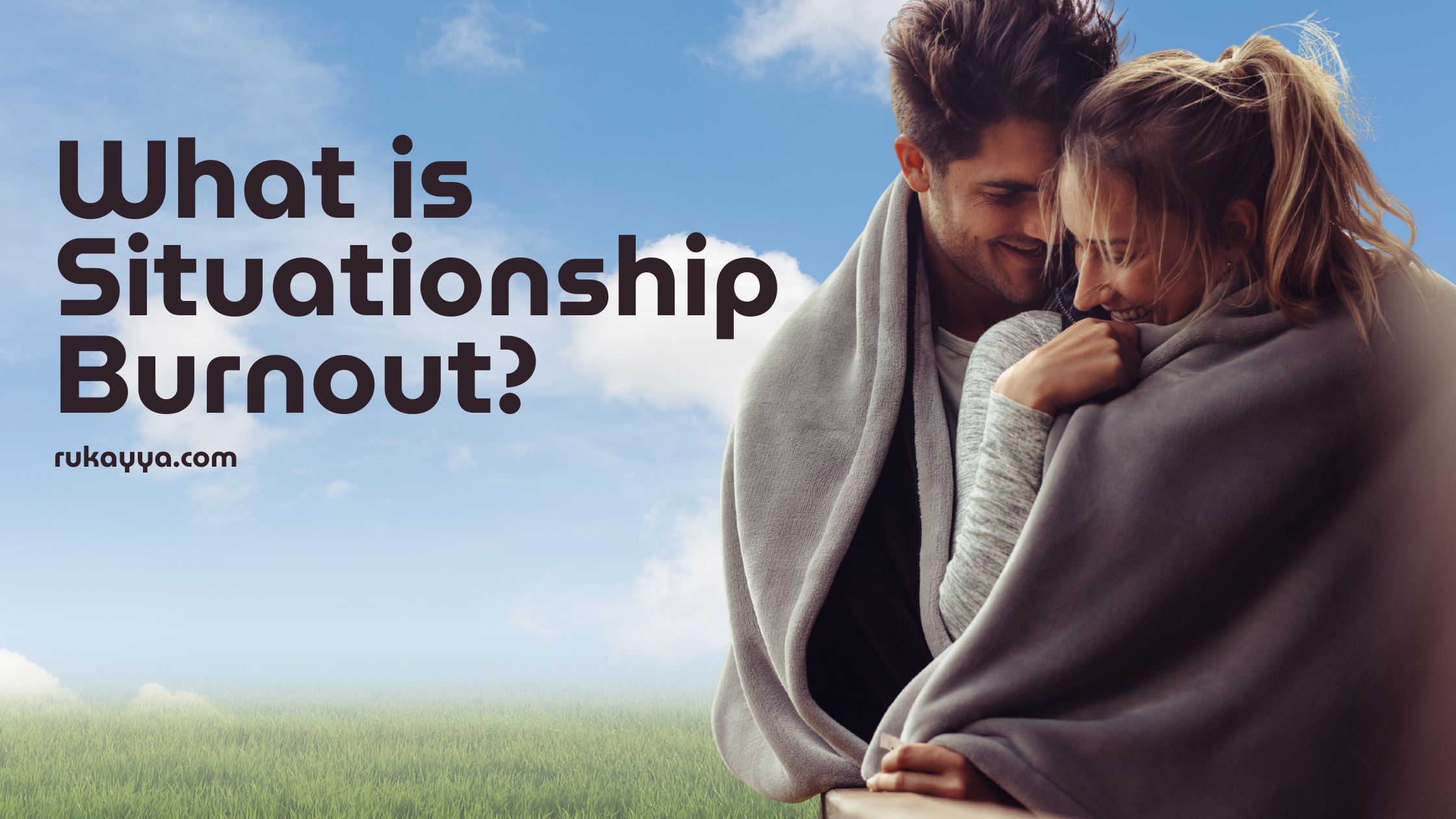
Situationship burnout is one of those things you don’t notice right away. At first, it feels exciting, like texting all day, making late-night calls, and experiencing emotional closeness without pressure. But slowly, something shifts.
You start feeling tired instead of excited. Anxious instead of calm. Confused instead of secure. That emotional exhaustion you can’t explain? That’s situationship burnout.
In today’s dating world, many people are emotionally connected but not emotionally secure. And that gap is where burnout quietly grows.
What Situationship Burnout Actually Is
Situationship burnout happens when you stay emotionally invested in a connection that has no clear direction. You’re giving relationship-level energy to something that never fully becomes one.
You might:
- Talk every day
- Share personal details
- Spend time together regularly
- Act like a couple in private
But there’s no clarity, no label, and no real commitment. Over time, that uncertainty becomes draining. You’re emotionally involved, but you don’t feel chosen.
That’s the core of situationship burnout: emotional effort without emotional safety.
Last Read – How Slow Dating Builds Chemistry?
Why So Many People Feel Burnt Out From Dating Now
Modern dating makes burnout easy.
Apps create endless options, which leads to hesitation instead of intention. Many people want connection, but they’re afraid of commitment, responsibility, or vulnerability. So they stay in the middle not fully in, not fully out.
This is where situationship burnout becomes common. You’re told to “go with the flow,” “not rush things,” or “see where it goes.” Meanwhile, weeks turn into months, and nothing actually moves forward.
Dating starts to feel less like a connection and more like emotional waiting.
The Emotional Toll of Staying in an Undefined Relationship
One of the hardest parts of situationship burnout is how it messes with your emotions.
You might notice yourself:
- Overthinking texts and tone
- Feeling anxious when replies slow down
- Feeling relieved when they show interest again
- Ignoring your own discomfort to keep the peace
This push-and-pull creates emotional instability. The highs feel good, but the lows feel heavy. Instead of feeling grounded, you’re constantly reacting.
Over time, that emotional tension leads straight to burnout.
How Situationship Burnout Affects Self-Worth
Situationship burnout doesn’t just make you tired; it makes you question yourself.
You start wondering:
- “Why am I not enough for commitment?”
- “Am I asking for too much?”
- “If I’m patient, will they choose me?”
Slowly, you shrink your needs. You stop asking questions. You accept less than what you actually want, just to avoid losing the connection.
That’s how burnout turns into self-doubt not because you’re insecure, but because your needs aren’t being met consistently.
Why It’s So Hard to Walk Away
If situationships are so exhausting, why do people stay?
Because there are good moments.
They open up emotionally.
They show care sometimes.
They make you feel seen, briefly.
Those moments create hope. And hope can keep you stuck even when you’re emotionally drained. You tell yourself, “If I leave now, what if I miss out on something real?”
Situationship burnout thrives on that “almost” feeling.
The Difference Between Healthy Patience and Burnout
This is important.
Waiting for something healthy doesn’t feel painful. It feels steady. Calm. Reassuring.
Situationship burnout feels very different.
If you constantly feel:
- Uncertain about where you stand
- Afraid to bring up your needs
- Anxious instead of excited
- Emotionally tired after interactions
That’s not patience, but that’s your nervous system telling you something isn’t right.
How Burnout From Situationships Impacts Mental Health
Staying in emotional limbo for too long affects more than your dating life.
You may:
- Feel emotionally numb
- Lose interest in dating altogether
- Feel lonely even while talking to someone
- Carry anxiety into other areas of life
Situationship burnout keeps your emotions busy but unfulfilled. You’re investing energy without receiving stability in return.
How to Start Healing From Situationship Burnout
Healing doesn’t start with blaming yourself. It starts with honesty.
1. Ask for clarity
Not demands clarity. If someone avoids giving you an answer, that is the answer.
2. Stop falling in love with potential
Potential doesn’t build relationships. Consistent effort does.
3. Set emotional boundaries
You don’t owe full emotional access to someone who isn’t offering commitment.
4. Choose peace over uncertainty
Burnout fades when you stop accepting confusion as normal.
Healing from situationship burnout means choosing yourself even when it feels uncomfortable.
What Healthy Dating Feels Like After Burnout
Once you step out of emotional limbo, dating feels different.
It feels:
- Calm instead of chaotic
- Clear instead of confusing
- Secure instead of anxiety-driven
You don’t have to decode messages or guess where you stand. A healthy connection doesn’t drain you; it grounds you.
That’s how you know you’ve moved past situationship burnout.
Final Thoughts
Situationship burnout isn’t a sign that you’re needy or impatient. It’s a sign that your emotional needs are valid and unmet. You deserve clarity, consistency, and effort, not mixed signals and emotional exhaustion.
When you stop settling for almost-relationships, you make room for something real. And that’s when dating stops feeling exhausting and starts feeling aligned again